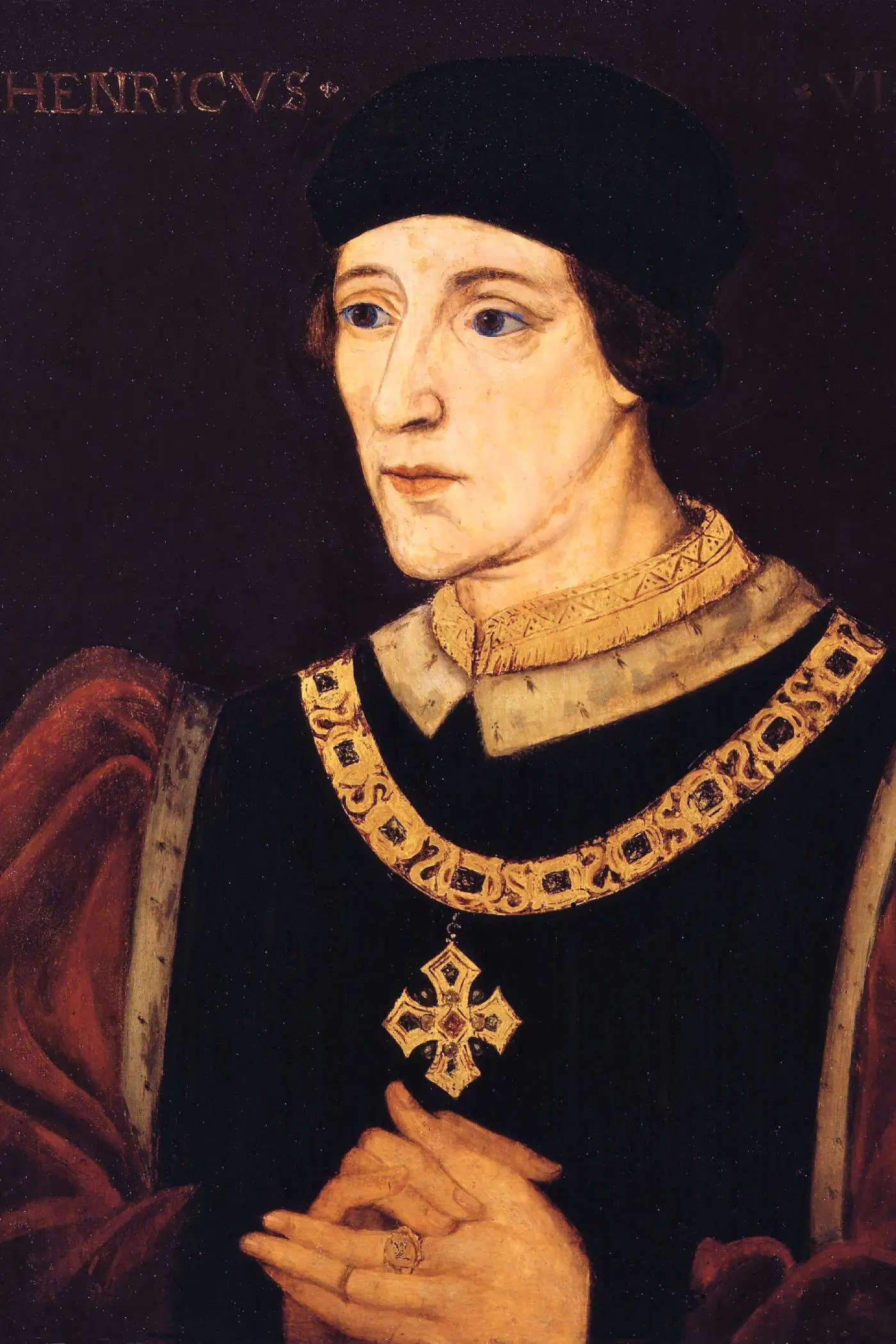
Henry VI, Part I
What is Henry VI, Part I about?
King Henry V has suddenly died, and the kingdom is in chaos. In England, noblemen are fighting amongst themselves. Loyalties are divided into two factions: the White Roses (York) and the Red Roses (Lancaster). The Duke of Gloucester, Henry VI’s Protector, is accused by Cardinal Beaufort of seizing the throne for himself. Meanwhile in France, the Dauphin Charles has been crowned the new king. English-held land once conquered by Henry V is quickly being recaptured by French forces. In one of these battles, the English hero Talbot is imprisoned. A French woman named Joan la Pucelle—also known as Joan of Arc—has been having visions that reveal to her how to defeat the English Army. The only thing that unifies the two countries is their pessimism towards the new English monarch. It is now Henry VI’s turn to rule over England, or die trying. This Standard Ebooks edition is based on William George Clark and William Aldis Wright’s 1887 Victoria edition, which is taken from the Globe edition.
Main themes in Henry VI, Part I
War and defeat
Henry VI, Part I thoughtfully explores war and defeat through its central conflicts.
Faction and division
The theme of faction and division weaves through Henry VI, Part I, adding depth to its narrative.
Heroism and decline
The presence of heroism and decline in Henry VI, Part I connects readers to its enduring relevance.
England versus France
The presence of england versus france in Henry VI, Part I connects readers to its enduring relevance.
Why Henry VI, Part I is still relevant today
Henry VI, Part I dramatizes English losses in France following Henry V's death, beginning Shakespeare's epic cycle of history plays. The play establishes the factional conflicts—Lancaster versus York, Gloucester versus Winchester—that will erupt into civil war. Joan of Arc appears as antagonist, reflecting Protestant English views of the French saint.
More by this author
Frequently Asked Questions
What is Henry VI Part I about?
Following Henry V's death, the infant Henry VI's weak reign sees English territories lost in France, partly through Joan of Arc's leadership. English nobles begin factional quarrels symbolized by the Temple Garden scene where York and Lancaster choose red and white roses.
How is Joan of Arc portrayed in Henry VI Part I?
Joan appears as antagonist, a witch and fraud rather than saint. This reflects Protestant English propaganda. She defeats English heroes through supernatural means and dies denying her peasant father. Modern audiences find this portrayal troubling.
Is Henry VI Part I Shakespeare's first play?
The Henry VI plays are among Shakespeare's earliest works. Part I may have been written after Parts II and III, or collaboratively. Scholars debate authorship and composition order, but the plays established Shakespeare as a theatrical force.
What is the Temple Garden scene?
In the Temple Garden, Richard Plantagenet (future Duke of York) and Somerset quarrel, asking supporters to pick red or white roses. This symbolic scene, Shakespeare's invention, begins the Wars of the Roses that dominate subsequent history plays.