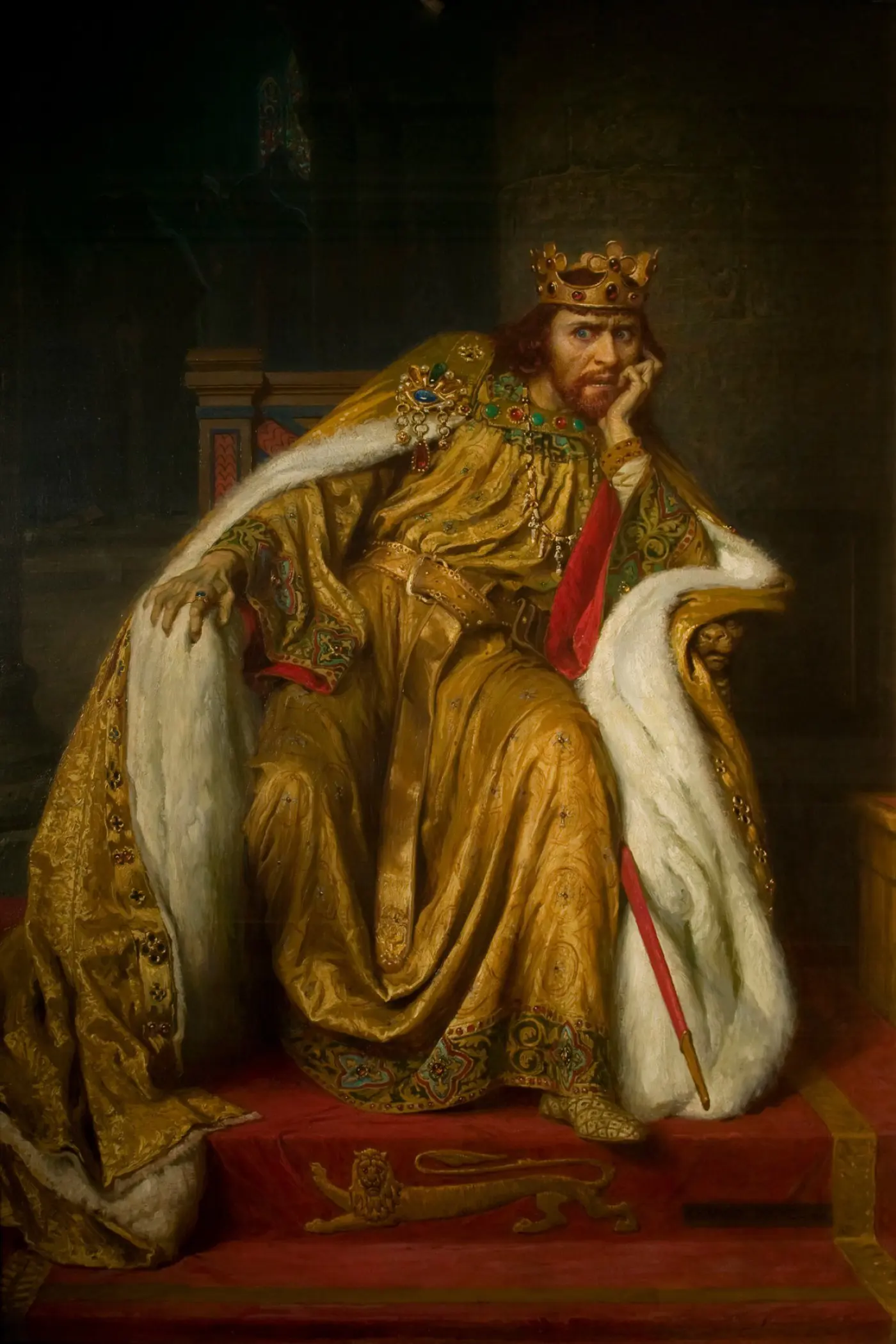
King John
What is King John about?
An ambassador sent by King Philip of France delivers an ominous threat: King John must relinquish his throne to its rightful heir, his nephew Arthur of Bretagne, or France will declare a “fierce and bloody war.” John refuses. After receiving this news, Philip orders his forces to prepare an attack on the English-controlled French town of Angiers, and the citizens must then swear allegiance to Arthur or die. King John also must deal with a dispute over land ownership between the Faulconbridge brothers. Their father knew that the older son was not his, and before his death, he bequeathed all of his lands to the younger son. John rules that the bastard son rightfully owns the lands regardless of who is his true father. John’s mother, Elinor, sees that the bastard son resembles Richard the Lionheart and proposes that he renounce his claim to the Faulconbridge land in exchange for a knighthood. He agrees and becomes Sir Richard Plantagenet. This Standard Ebooks edition is based on William George Clark and William Aldis Wright’s 1887 Victoria edition, which is taken from the Globe edition.
Main themes in King John
Legitimacy and usurpation
Legitimacy and usurpation emerges as a defining element in King John, shaping character development.
Papal versus royal authority
Papal versus royal authority emerges as a defining element in King John, shaping character development.
War and diplomacy
The theme of war and diplomacy weaves through King John, adding depth to its narrative.
Mothers and sons
The presence of mothers and sons in King John connects readers to its enduring relevance.
Why King John is still relevant today
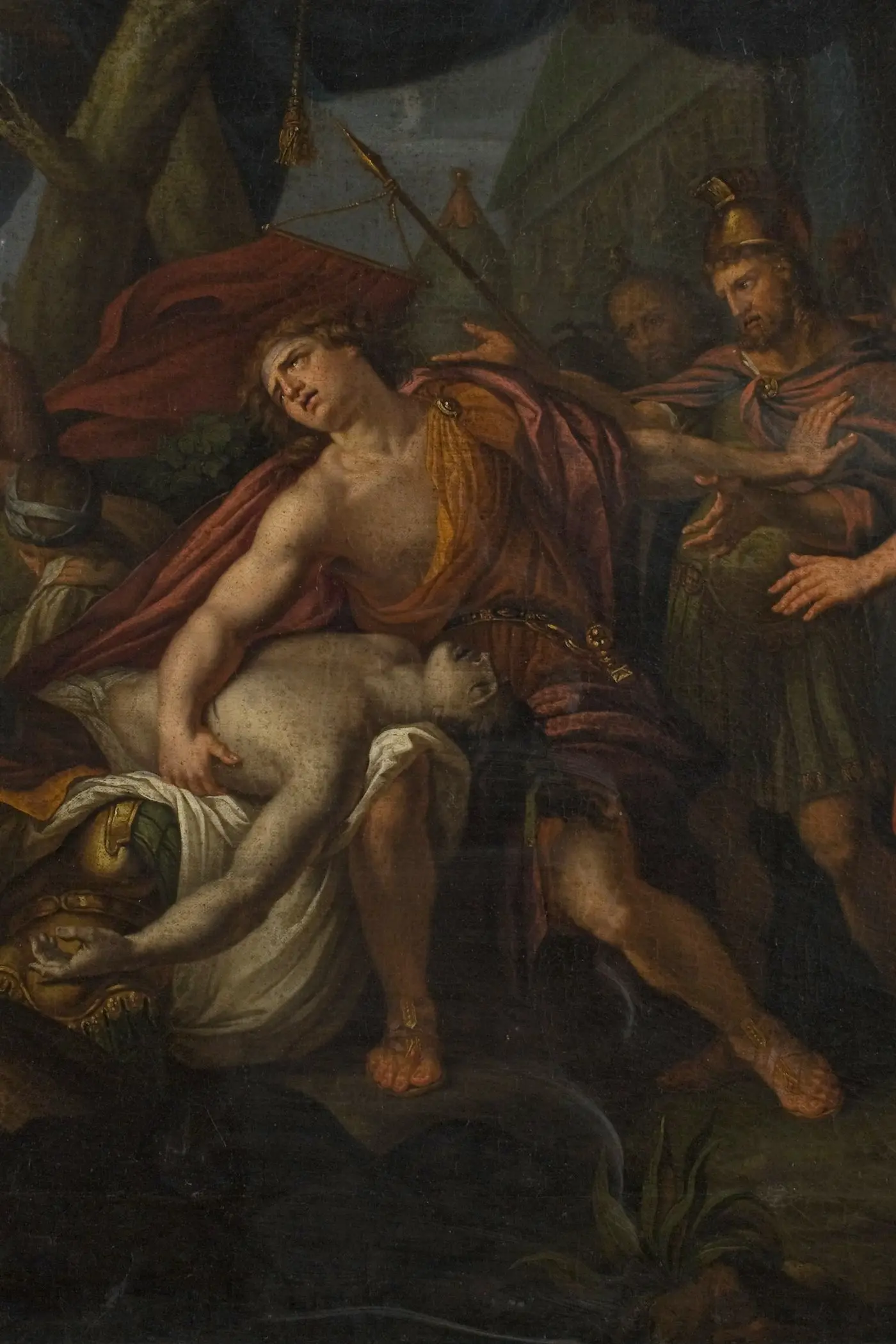
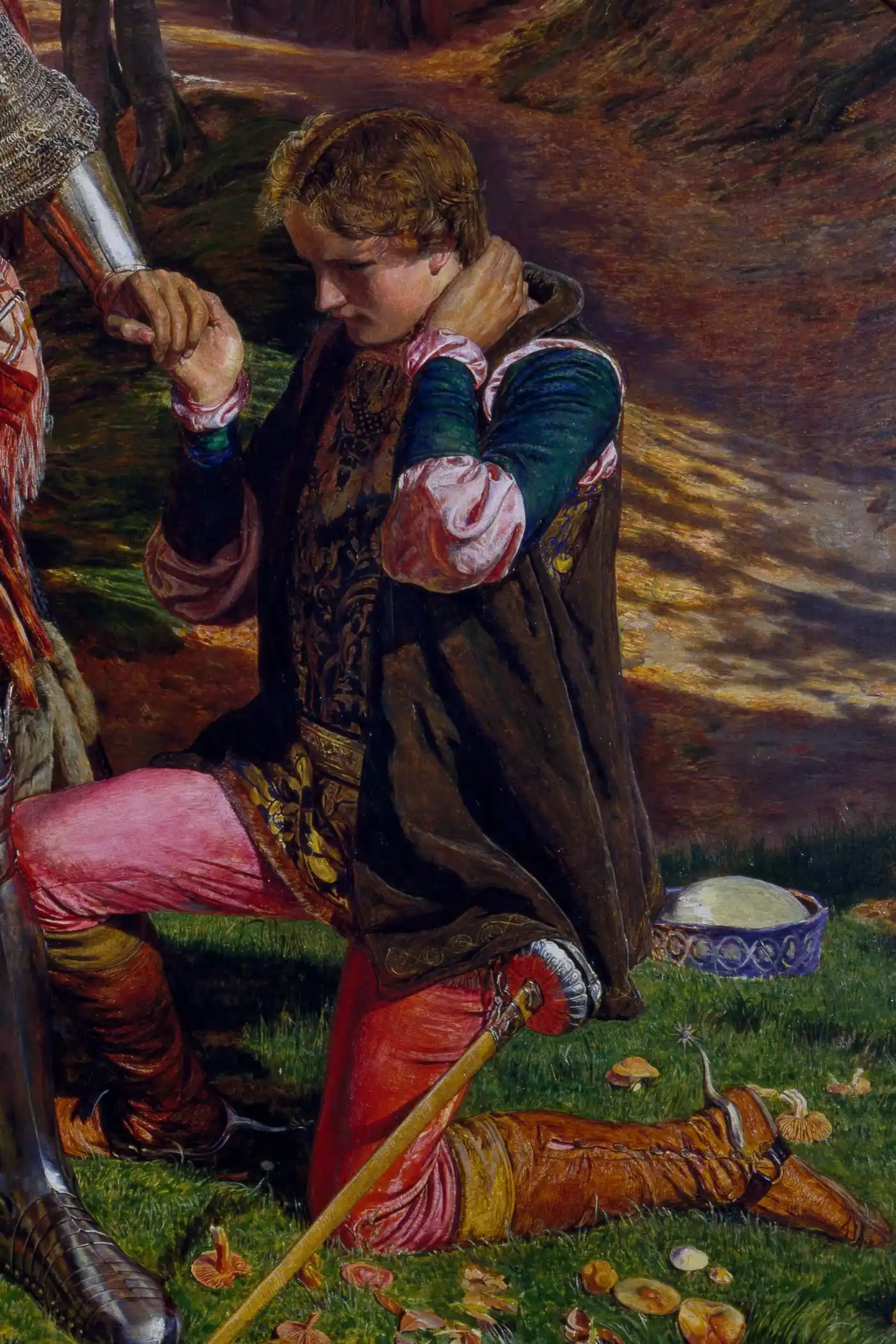
King John dramatizes the reign of England's most controversial medieval king, avoiding Robin Hood entirely to focus on political legitimacy and papal power. The play's examination of how rulers maintain authority through force, manipulation, and uncertain claims resonates with political crises in any era. Young Arthur's death scene was particularly celebrated in the 19th century.
More by this author

Frequently Asked Questions
What is King John about?
King John defends his throne against his nephew Arthur's claim supported by France and the Pope. Political alliances shift repeatedly. John orders Arthur's death but the executioner refuses; Arthur dies trying to escape. John himself is poisoned by a monk.
Why no Robin Hood in King John?
Shakespeare's play focuses on political struggles with France and the papacy rather than popular legends. Robin Hood traditions developed separately from the historical King John, and Shakespeare chose to dramatize dynastic conflicts instead.
Who is the Bastard in King John?
Philip the Bastard, illegitimate son of Richard the Lionheart, is the play's most compelling character. He provides sardonic commentary on political hypocrisy and embodies a pragmatic English patriotism that transcends the dynastic quarrels.
Is King John historically accurate?
Shakespeare compresses events and ignores Magna Carta entirely. The play reflects Elizabethan concerns about papal interference and succession crises more than medieval history. John's defiance of Rome would have pleased Protestant audiences.