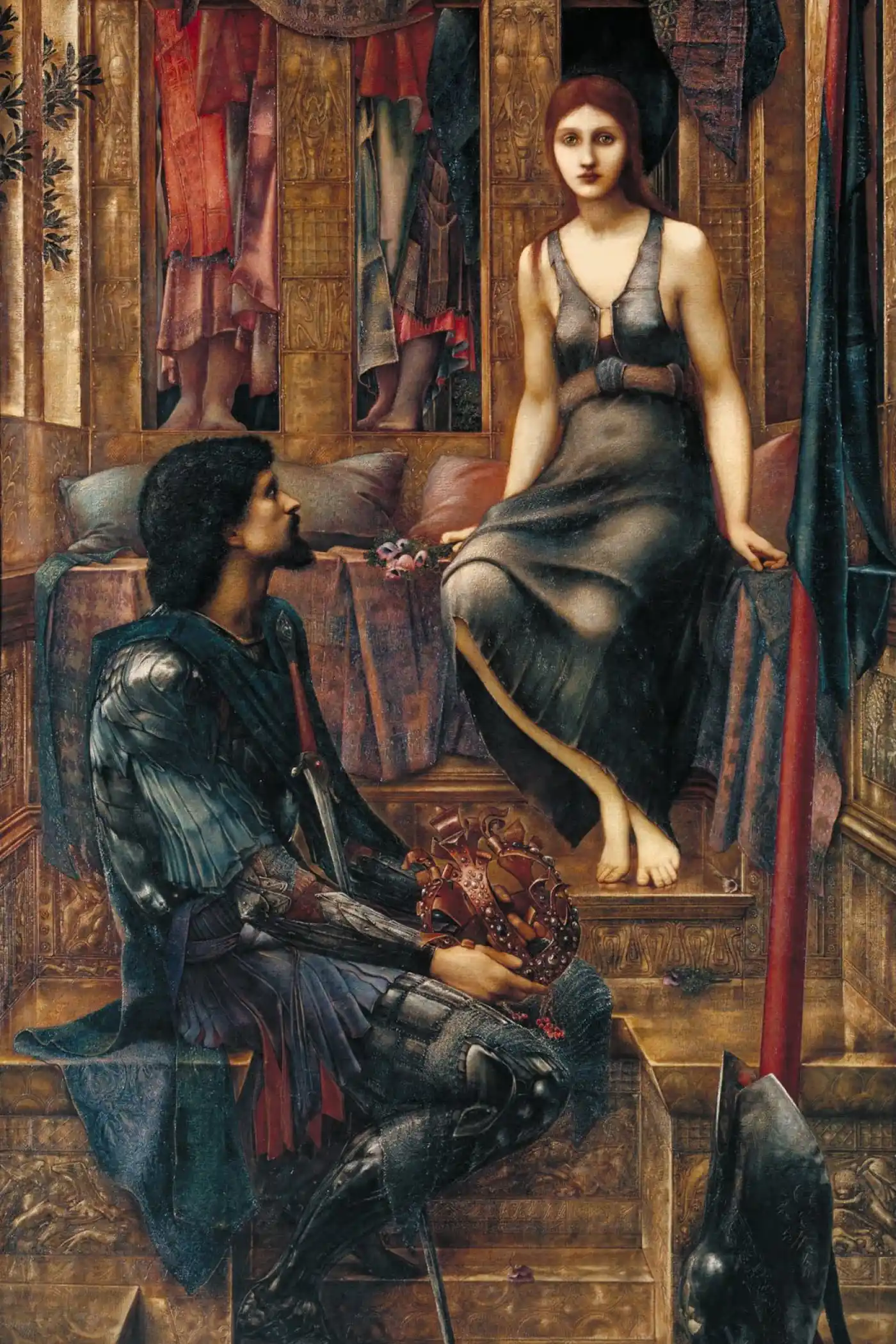
Love’s Labour’s Lost
What is Love’s Labour’s Lost about?
King Ferdinand and his three friends, Biron, Longaville, and Dumain, plan to study philosophy for the next three years. During their academic pursuits, they must vow to sleep only three hours a night and not let any woman within a mile of court. These strict rules will prevent any distractions from their work—but their promises are soon put to the test when a princess and her three companions arrive for a state visit. This Standard Ebooks edition is based on William George Clark and William Aldis Wright’s 1887 Victoria edition, which is taken from the Globe edition.
Main themes in Love’s Labour’s Lost
Language and wit
The theme of language and wit weaves through Love’s Labour’s Lost, adding depth to its narrative.
Love and learning
The theme of love and learning weaves through Love’s Labour’s Lost, adding depth to its narrative.
Vows and breaking them
The presence of vows and breaking them in Love’s Labour’s Lost connects readers to its enduring relevance.
Nature versus artifice
Nature versus artifice emerges as a defining element in Love’s Labour’s Lost, shaping character development.
Why Love’s Labour’s Lost is still relevant today
Love's Labour's Lost is Shakespeare's most linguistically playful comedy, a feast of puns, wordplay, and verbal wit. The play satirizes intellectual pretension while celebrating language's delights. Its unusual ending—the lovers must wait a year before marriage—adds unexpected depth to what begins as light entertainment. Modern productions enjoy its verbal fireworks and gentle mockery of masculine self-importance.
More by this author
Frequently Asked Questions
What is Love's Labour's Lost about?
The King of Navarre and three lords swear to study for three years, avoiding women. The Princess of France arrives with her ladies, and all four men immediately fall in love, breaking their vows. News of death postpones the expected happy ending.
Why does Love's Labour's Lost end differently?
News of the Princess's father's death interrupts the comic conclusion. The women impose a year's wait before accepting their suitors. This unusual ending subverts romantic comedy expectations, adding seriousness to the play's wit.
Is Love's Labour's Lost difficult to understand?
The play's elaborate wordplay and topical references can be challenging. Much of the humor depends on Elizabethan language games. Patient reading reveals dazzling verbal virtuosity, or productions can highlight physical comedy alongside the wit.
Is there a sequel to Love's Labour's Lost?
Shakespeare apparently wrote Love's Labour's Won, mentioned in contemporary lists, but no play by that title survives. Some scholars identify it with another comedy; others believe it's lost. The unresolved ending of Love's Labour's Lost invites speculation about continuation.