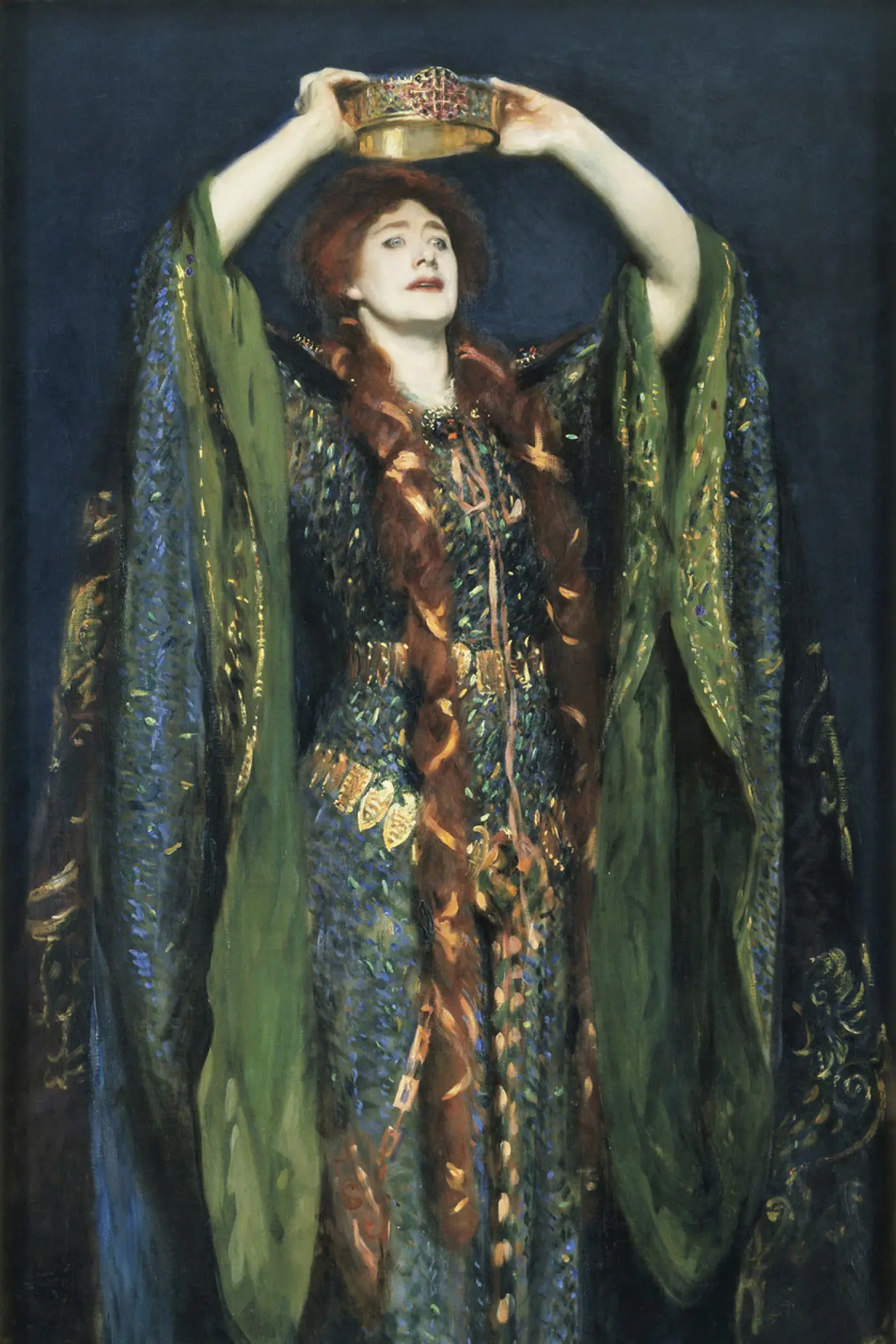
Macbeth
What is Macbeth about?
King Duncan’s closest generals, Macbeth and Banquo, have just defeated two invading armies and the Irish rebel Macdonwald. Out across the misty moor, they encounter three witches who reveal to Macbeth a powerful prophecy: “All hail, Macbeth! hail to thee, thane of Glamis! All hail, Macbeth, hail to thee, thane of Cawdor! All hail, Macbeth, thou shalt be king hereafter!” They not only claim that Macbeth will eventually become King of Scotland, but that Banquo will father a line of Scottish kings—though ominously, Banquo will never be king himself. This shocking tragedy—a violent caution to those seeking power for its own sake—is, to this day, one of Shakespeare’s most popular and influential masterpieces. This Standard Ebooks edition is based on William George Clark and William Aldis Wright’s 1887 Victoria edition, which is taken from the Globe edition.
Main themes in Macbeth
Ambition and power
The presence of ambition and power in Macbeth connects readers to its enduring relevance.
Guilt and conscience
The theme of guilt and conscience weaves through Macbeth, adding depth to its narrative.
Fate versus free will
The theme of fate versus free will weaves through Macbeth, adding depth to its narrative.
Masculinity and violence
Masculinity and violence emerges as a defining element in Macbeth, shaping character development.
Why Macbeth is still relevant today
Macbeth is Shakespeare's most concentrated tragedy, a relentless examination of ambition's destructive power. Its themes of political corruption, psychological guilt, and moral collapse resonate in every era marked by authoritarian overreach. The play has inspired adaptations from Kurosawa's Throne of Blood to countless modern political allegories, and "Macbeth" has become shorthand for ambition that destroys the ambitious.
More by this author
Frequently Asked Questions
What is Macbeth about?
Macbeth tells the story of a Scottish general who, prompted by witches' prophecies and his wife's urging, murders King Duncan to seize the throne. His reign descends into tyranny and paranoia, leading to his downfall.
Is Macbeth a true story?
Macbeth is loosely based on the historical King Macbeth of Scotland (ruled 1040-1057), though Shakespeare dramatically altered events. The real Macbeth had a legitimate claim to the throne and ruled competently for seventeen years.
How long does it take to read Macbeth?
Macbeth is Shakespeare's shortest tragedy at about 2,100 lines. Most readers complete it in 2-3 hours. Its compact intensity makes it an excellent introduction to Shakespeare's tragedies.
Why is it bad luck to say Macbeth?
Theater superstition holds that saying "Macbeth" in a theater brings misfortune, so actors call it "the Scottish play." The legend may stem from early accidents during performances or the play's dark supernatural content.