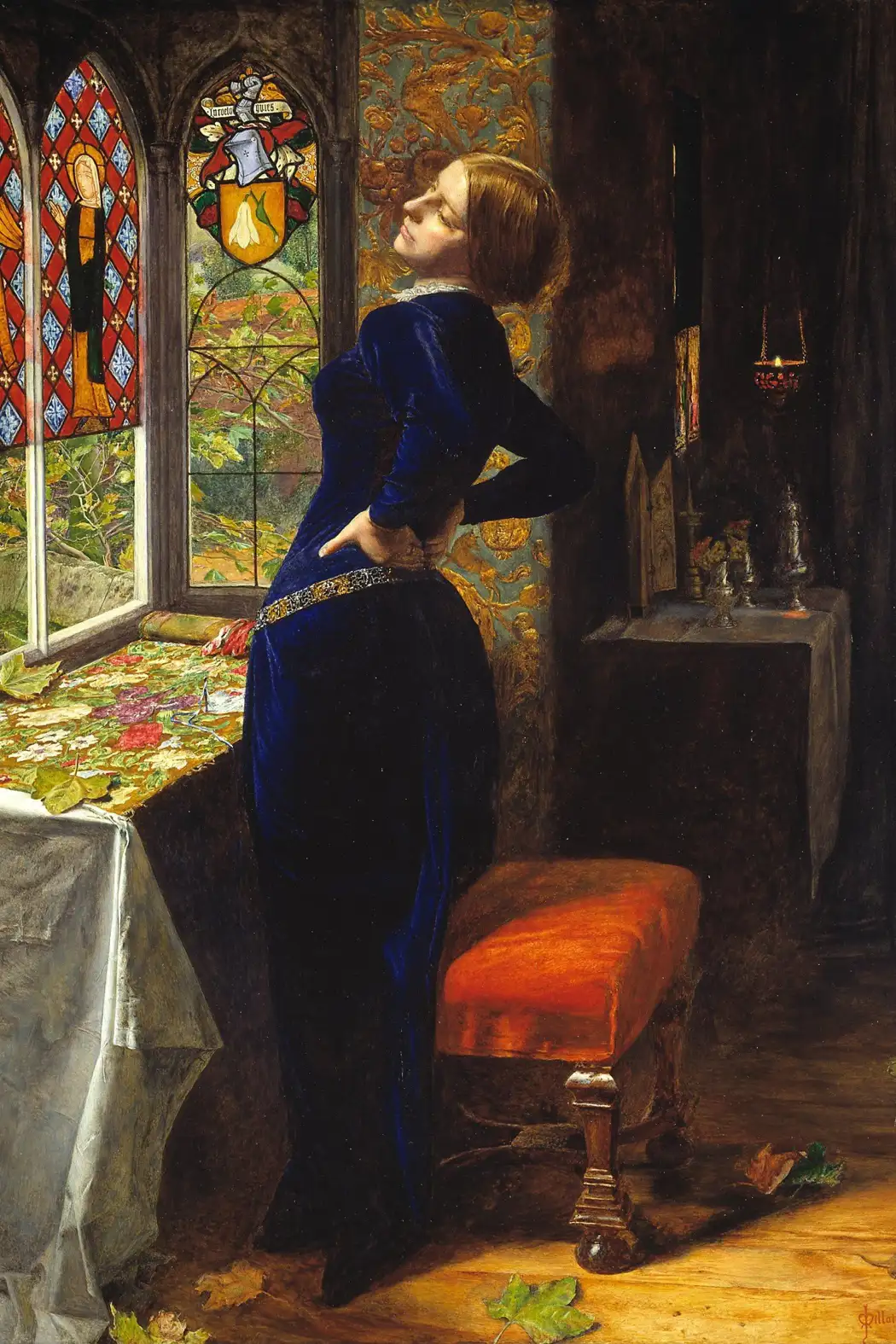
Measure for Measure
What is Measure for Measure about?
Duke Vincentio has given his deputy Angelo temporary power over Vienna before his leave for a diplomatic mission. But instead of leaving the city, the Duke disguises himself as a friar named Lodowick, and stays behind to observe the city’s happenings and Angelo’s brief reign. Meanwhile, Angelo decides to enforce the laws on prostitution and debauchery, effectively shutting down the red-light district. A man named Claudio gets arrested for impregnating his lover, and Angelo sentences him to death. Claudio’s sister enlists a certain friar’s help to trick Angelo into releasing her brother. This Standard Ebooks edition is based on William George Clark and William Aldis Wright’s 1887 Victoria edition, which is taken from the Globe edition.
Main themes in Measure for Measure
Justice and mercy
In Measure for Measure, justice and mercy provides a lens for understanding the story's core message.
Sexual morality
The presence of sexual morality in Measure for Measure connects readers to its enduring relevance.
Power and corruption
The theme of power and corruption weaves through Measure for Measure, adding depth to its narrative.
Hypocrisy and virtue
In Measure for Measure, hypocrisy and virtue provides a lens for understanding the story's core message.
Why Measure for Measure is still relevant today
Measure for Measure is Shakespeare's most morally complex "problem play," examining justice, mercy, sexuality, and hypocrisy with uncomfortable directness. Angelo's abuse of power to coerce Isabella sexually speaks to every era's concerns about authority and consent. The Duke's surveillance and the forced marriages of the ending leave audiences questioning whether justice has truly been served.
More by this author
Frequently Asked Questions
What is Measure for Measure about?
Duke Vincentio secretly observes Vienna while his deputy Angelo enforces strict morality laws. Angelo condemns Claudio to death for fornication, then hypocritically propositions Claudio's sister Isabella, a novice nun, in exchange for her brother's life.
Is Measure for Measure a comedy?
Measure for Measure is classified as a comedy because it ends in marriages, but it's often called a "problem play" because its dark themes and ambiguous ending resist comic resolution. The play's moral complexity makes it more disturbing than amusing.
What does the title Measure for Measure mean?
The title comes from Matthew 7:2: "With what measure ye mete, it shall be measured to you again." It suggests that judgment should be proportional and that those who judge will themselves be judged by the same standard.
Why does Isabella refuse Angelo?
Isabella, a novice nun, values her chastity as her spiritual integrity. She believes yielding to Angelo's blackmail would damn her soul. Her choice prioritizes eternal salvation over her brother's earthly life, though this creates dramatic tension.