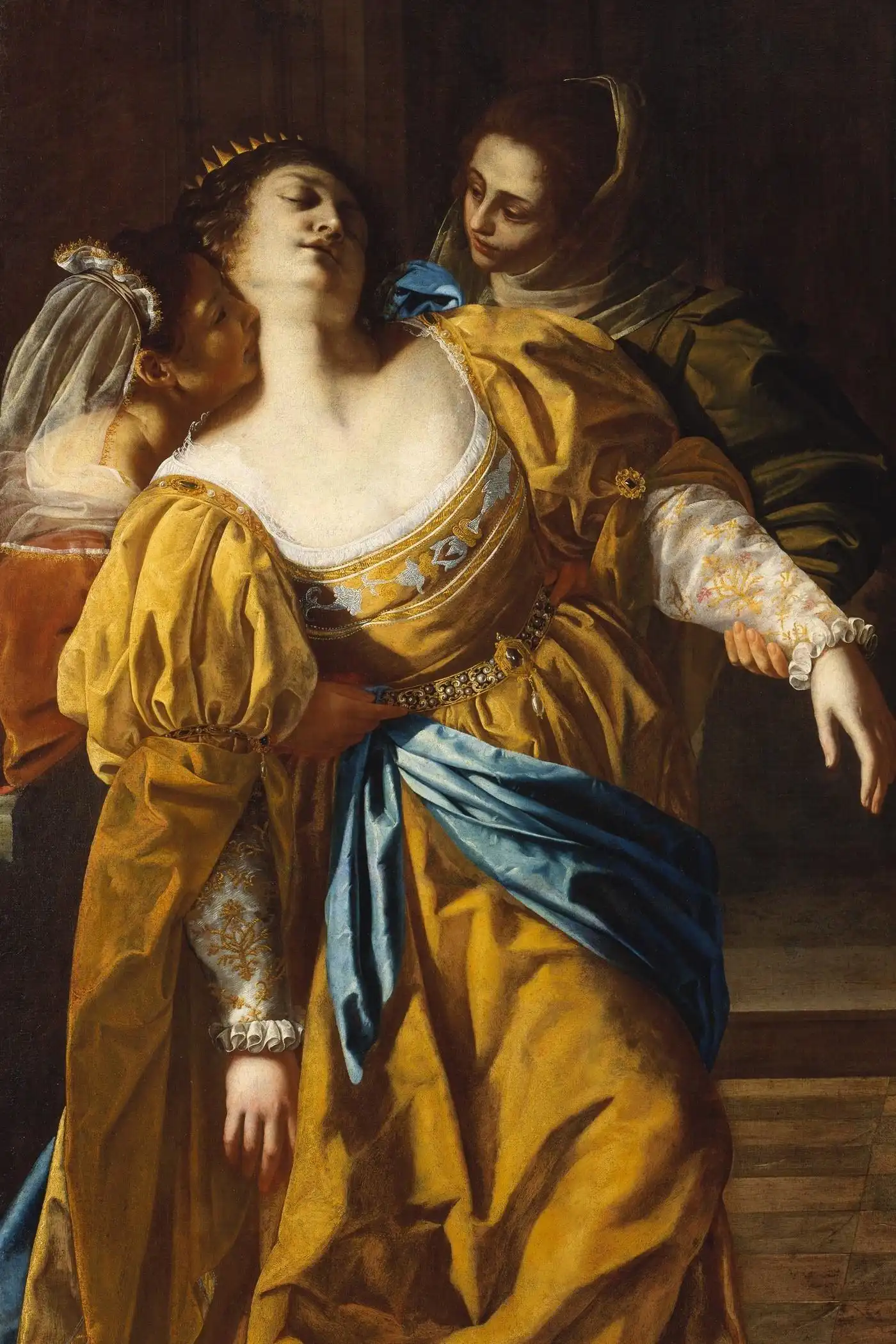
Much Ado About Nothing
What is Much Ado About Nothing about?
Shakespeare wrote Much Ado About Nothing towards the middle of his career, sometime between 1598 and 1599. It was first published in quarto in 1600 and later collected into Mr. William Shakespeare’s Comedies, Histories, and Tragedies in 1623. The earliest recorded performance of Much Ado About Nothing was performed for the newly married Princess Elizabeth and Frederick the Fifth, Elector Palatine in 1613. Shakespeare’s sources of inspiration for this play can be found in Italian culture and popular texts published in the sixteenth century. Gossip involving lovers deceived into believing each other false was often spread throughout Northern Italy. Works like Ludovico Ariosto’s Orlando Furioso and Edmund Spencer’s Fearie Queene also feature tricked lovers like Claudio and Hero. Besides these similarities, the idea of tricking a couple like Benedick and Beatrice into falling in love was an original and unusual idea at the time. The play focuses on two couples: upon the noblemen’s return to Messina, Claudio and Hero quickly fall in love and wish to marry in a week; on the contrary, Benedick and Beatrice resume their verbal war, exchanging insults with each other. To pass the time prior to the marriage a plot to trick Benedick and Beatrice into falling in love has been set in motion. Unbeknownst to both our couples, a fouler plot to crush the love and happiness between Hero and Claudio has also begun to unfold. This Standard Ebooks edition is based on William George Clark and William Aldis Wright’s 1887 Victoria edition, which is taken from the Globe edition.
Main themes in Much Ado About Nothing
Love and wit
The theme of love and wit weaves through Much Ado About Nothing, adding depth to its narrative.
Honor and shame
Much Ado About Nothing thoughtfully explores honor and shame through its central conflicts.
Deception and eavesdropping
Deception and eavesdropping emerges as a defining element in Much Ado About Nothing, shaping character development.
Gender and power
Much Ado About Nothing thoughtfully explores gender and power through its central conflicts.
Why Much Ado About Nothing is still relevant today
Much Ado About Nothing features Shakespeare's wittiest couple in Beatrice and Benedick, whose sparring banter has influenced romantic comedy ever since. The play's examination of male honor, female vulnerability, and the power of gossip remains sharply relevant. Modern adaptations like Kenneth Branagh's film and contemporary stage productions demonstrate its enduring appeal as intelligent entertainment.
More by this author

Frequently Asked Questions
What is Much Ado About Nothing about?
The play follows two couples in Messina: young Hero and Claudio pursue conventional romance while witty Beatrice and Benedick deny their attraction until friends trick them into admitting love. A villain's plot against Hero's honor creates crisis before resolution.
Why is it called Much Ado About Nothing?
The title puns on "nothing" and "noting" (observing/eavesdropping), central to the plot. It also suggests the characters create drama over trivial matters. The "nothing" may also reference the slander against innocent Hero.
Are Beatrice and Benedick in love?
Beatrice and Benedick have a history of witty antagonism concealing mutual attraction. When friends stage conversations for each to overhear claiming the other is secretly in love, they drop their defenses and embrace their feelings.
Is Much Ado About Nothing a comedy or tragedy?
Much Ado is a comedy that nearly becomes tragedy. The false accusation against Hero resembles the plot of Othello, but here the villain is exposed and love triumphs. The play balances genuine darkness with its witty romance.