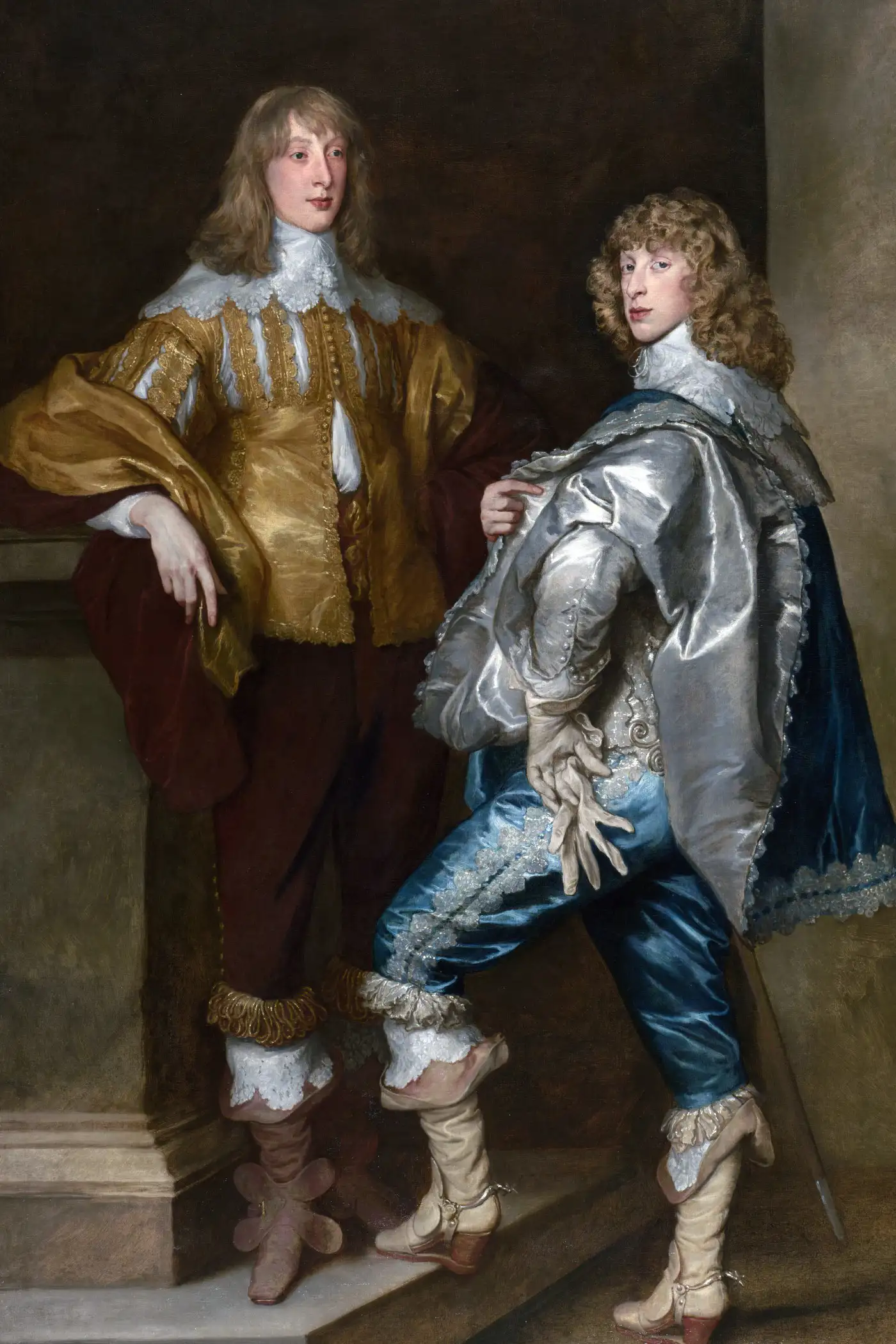
The Comedy of Errors
What is The Comedy of Errors about?
The Comedy of Errors is one of Shakespeare’s earliest and shortest plays. This comedy utilizes slapstick humor, word play, and mistaken identities to create a series of farcical accidents. Over time, the play’s title has become an idiom used to describe “an event or series of events made ridiculous by the number of errors that were made throughout.” In Ephesus, the law forbids entry to any merchants from Syracuse, and if they are discovered within the city, they must pay a thousand marks or be put to death. Aegeon, an old Syracusian merchant, is arrested and Solinus, the Duke of Ephesus, listens to his story of coming to the city. Long ago, Aegeon was on a sea voyage. Traveling with him was his wife, his twin sons, and their twin slaves. The family becomes separated during a tempest; Aegeon, one son, and one slave were rescued together, and the others were never to be seen again. Years later his son Antipholus and his slave Dromio left to search for their long lost siblings; after the boys didn’t return, Aegeon set out to bring his son back home. Moved by this story, the duke allows Aegeon one day to get the money to pay his fine and to find his family. This Standard Ebooks edition is based on William George Clark and William Aldis Wright’s 1887 Victoria edition, which is taken from the Globe edition.
Main themes in The Comedy of Errors
Identity and confusion
In The Comedy of Errors, identity and confusion provides a lens for understanding the story's core message.
Family and reunion
The Comedy of Errors thoughtfully explores family and reunion through its central conflicts.
Marriage and fidelity
Marriage and fidelity emerges as a defining element in The Comedy of Errors, shaping character development.
Commerce and debt
Commerce and debt emerges as a defining element in The Comedy of Errors, shaping character development.
Why The Comedy of Errors is still relevant today
The Comedy of Errors is Shakespeare's shortest and most farcical play, a masterclass in comic timing built on mistaken identity. Its two sets of identical twins generate escalating confusion that influenced sitcom construction for centuries. The play demonstrates Shakespeare's ability to transform classical sources (Plautus) into entertainment that still delights audiences with physical comedy and absurd misunderstandings.
More by this author
Frequently Asked Questions
What is The Comedy of Errors about?
Two sets of identical twins, separated in infancy, unknowingly end up in the same city. Each pair consists of a master and servant with the same names as their counterparts, creating escalating confusion as characters are mistaken for each other throughout the day.
Is The Comedy of Errors Shakespeare's first play?
The Comedy of Errors is among Shakespeare's earliest works, probably written 1592-1594. Its reliance on Roman comedy sources and relatively simple structure suggest an early date, though its farcical skill is remarkable.
How long is The Comedy of Errors?
At about 1,800 lines, The Comedy of Errors is Shakespeare's shortest play, roughly half the length of Hamlet. It can be performed in under two hours, maintaining a breathless pace of comic confusion.
What is the source of The Comedy of Errors?
Shakespeare adapted Plautus's Latin comedy Menaechmi, doubling the confusion by adding a second pair of twins. He also incorporated elements from another Plautus play, Amphitryon, and added the romantic frame story.