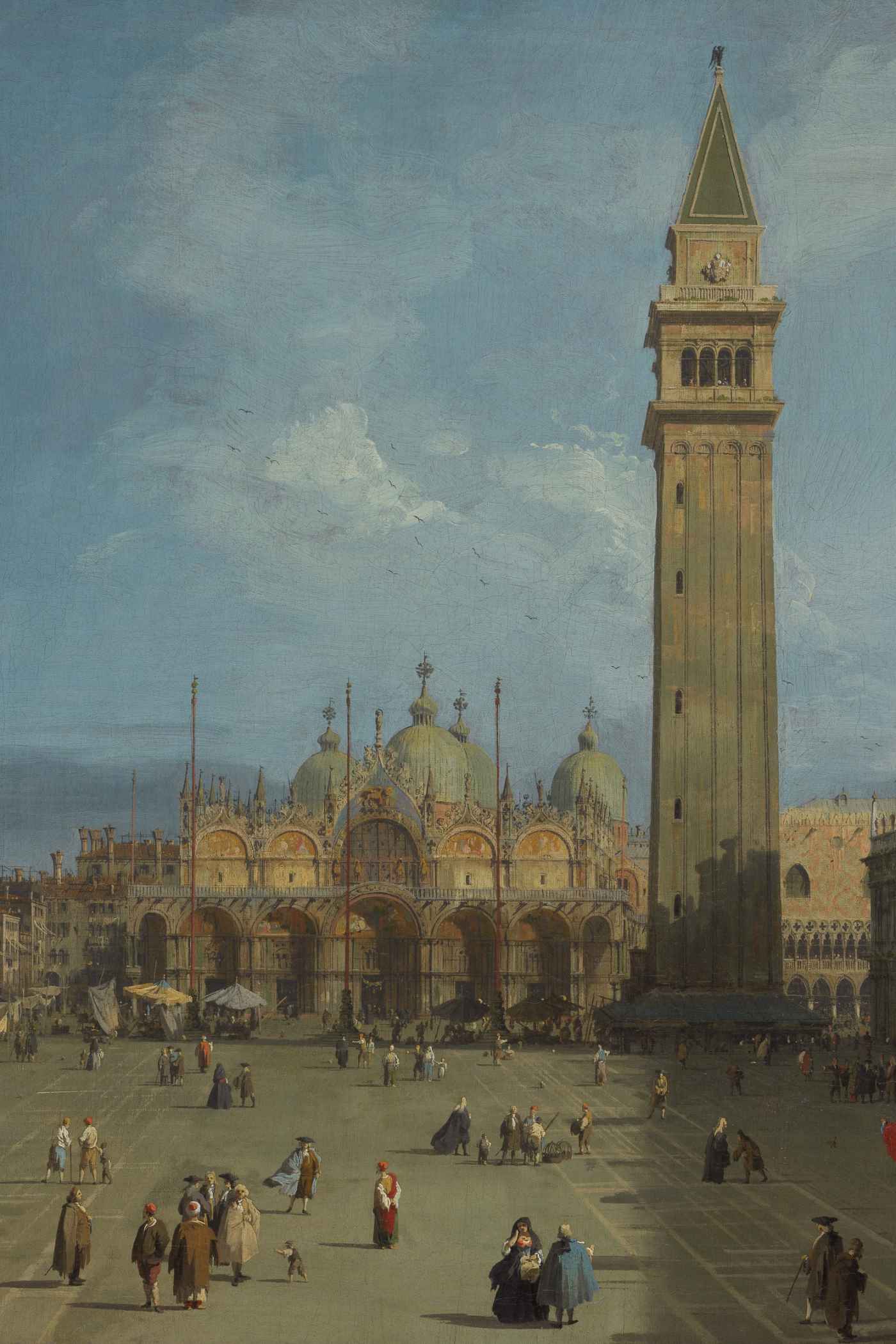
The Merchant of Venice
What is The Merchant of Venice about?
The young venetian noble Bassanio seeks to woo the beautiful heiress Portia of Belmont. He turns to his friend, a merchant named Antonio, who agrees to help him financially. They go to a Jewish moneylender, Shylock, who agrees to lend the money—but because of their mutual animosity, Shylock demands “A pound of flesh” from Antonio as collateral. Bassanio succeeds in winning Portia’s hand. Meanwhile, Antonio’s ships are reported lost at sea, and he defaults on the loan. Bassanio rushes back to Venice to help his benefactor where everything comes to a head in Court. This Standard Ebooks edition is based on William George Clark and William Aldis Wright’s 1887 Victoria edition, which is taken from the Globe edition.
Main themes in The Merchant of Venice
Justice and mercy
The theme of justice and mercy weaves through The Merchant of Venice, adding depth to its narrative.
Prejudice and otherness
The presence of prejudice and otherness in The Merchant of Venice connects readers to its enduring relevance.
Love and wealth
The theme of love and wealth weaves through The Merchant of Venice, adding depth to its narrative.
Appearance versus reality
In The Merchant of Venice, appearance versus reality provides a lens for understanding the story's core message.
Why The Merchant of Venice is still relevant today
The Merchant of Venice remains controversial for its portrayal of Shylock, which has been read as both antisemitic and as a critique of Christian hypocrisy. Modern productions often foreground the play's examination of prejudice, mercy, and justice. Shylock's "Hath not a Jew eyes?" speech stands as powerful testimony to shared humanity, while the casket scenes explore love's relationship to wealth.
More by this author

Frequently Asked Questions
What is The Merchant of Venice about?
The play follows Bassanio borrowing money from Shylock to woo Portia. When his friend Antonio (who guaranteed the loan) cannot repay, Shylock demands a pound of flesh as penalty. Portia, disguised as a lawyer, saves Antonio through legal argument.
Is The Merchant of Venice antisemitic?
The play reflects Elizabethan prejudices against Jews, and Shylock has been played as villain and victim. However, Shakespeare gives Shylock powerful speeches against hypocrisy. Modern productions often emphasize the Christians' cruelty and the tragedy of Shylock's forced conversion.
What is the pound of flesh in The Merchant of Venice?
Shylock's loan contract specifies that if Antonio defaults, Shylock may take a pound of Antonio's flesh. This grim penalty allows Shakespeare to explore justice versus mercy and the letter versus spirit of law.
Who is Portia in The Merchant of Venice?
Portia is a wealthy heiress bound by her father's will to marry whoever chooses correctly among three caskets. Intelligent and resourceful, she later disguises herself as a lawyer to save Antonio, demonstrating wit and legal skill.