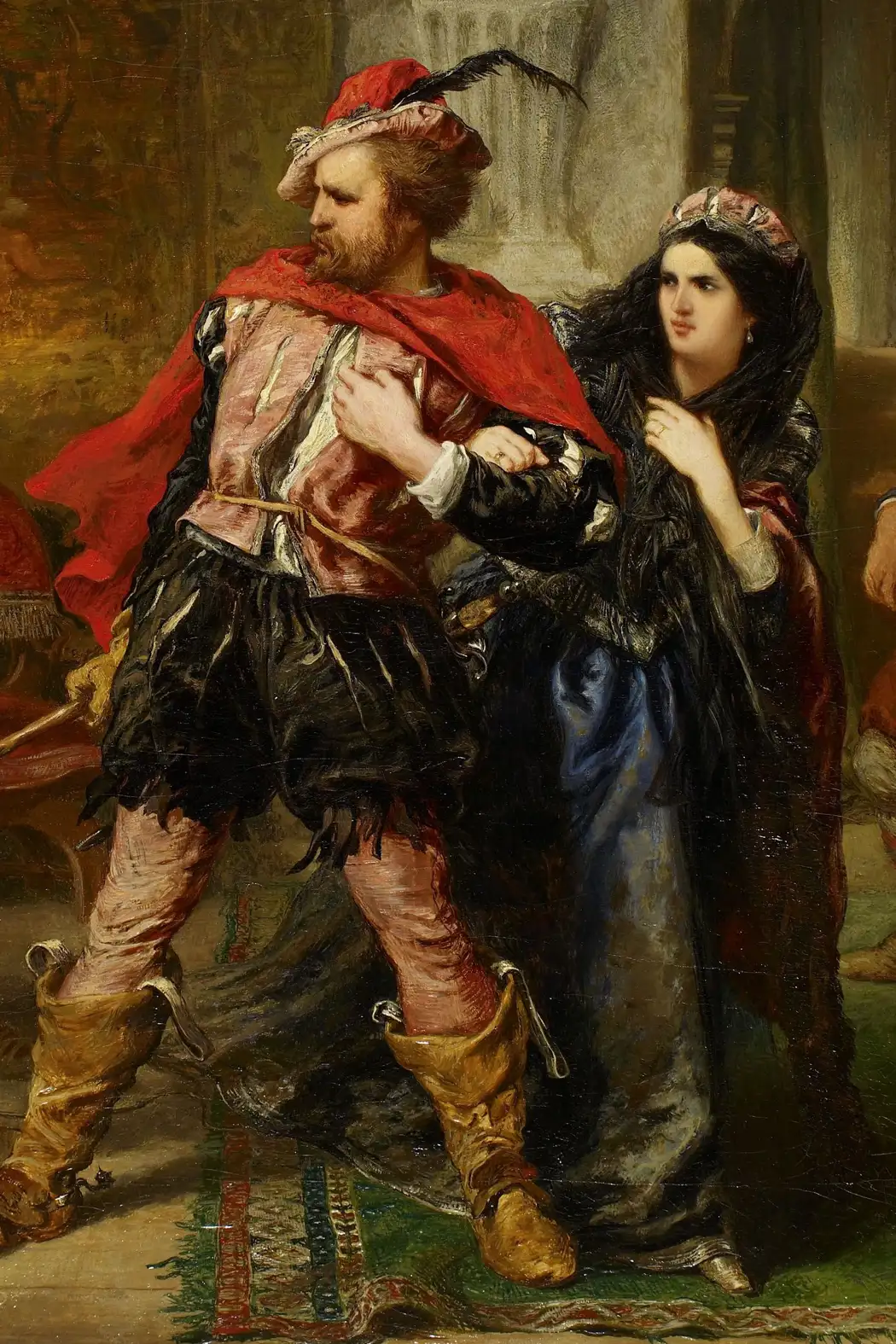
The Taming of the Shrew
What is The Taming of the Shrew about?
In the Italian city of Padua, a young gentleman named Lucentio comes to study at one of the city’s colleges. As is often the fate of men in Shakespeare’s plays, Lucentio falls in love at first sight. The object of his affection, Bianca, is the beautiful and docile daughter of a rich merchant. Her father, Baptista Minola, has declared that no one can marry Bianca until her older sister Katharina has been married first. Katharina is the polar opposite of her sister: vicious, foul-tempered, sharp-tongued, and stubborn. Any man in her vicinity is at risk of receiving her brutal insults and physical attacks. It’s no surprise that no man wants to marry her—or that’s what she believes, until an equally difficult man named Petruchio arrives in Padua. This Standard Ebooks edition is based on William George Clark and William Aldis Wright’s 1887 Victoria edition, which is taken from the Globe edition.
Main themes in The Taming of the Shrew
Gender and power
The theme of gender and power weaves through The Taming of the Shrew, adding depth to its narrative.
Marriage and courtship
In The Taming of the Shrew, marriage and courtship provides a lens for understanding the story's core message.
Appearance versus reality
The presence of appearance versus reality in The Taming of the Shrew connects readers to its enduring relevance.
Performance and identity
The Taming of the Shrew thoughtfully explores performance and identity through its central conflicts.
Why The Taming of the Shrew is still relevant today
The Taming of the Shrew provokes debate about gender relations and whether its ending endorses or satirizes patriarchal control. Kate's final speech on wifely obedience has been played as sincere submission, ironic performance, or weary capitulation. Modern productions grapple with the play's troubling dynamics while recognizing its theatrical vitality and the verbal sparring that influenced countless romantic comedies.
More by this author
Frequently Asked Questions
What is The Taming of the Shrew about?
Petruchio marries the sharp-tongued Katherine for her dowry, then uses psychological tactics to "tame" her rebellious spirit. Meanwhile, suitors compete for her gentle sister Bianca. The play ends with Kate's apparent transformation into an obedient wife.
Is The Taming of the Shrew sexist?
The play's treatment of Katherine troubles modern audiences. Some argue Shakespeare endorsed patriarchy; others see irony in Petruchio's absurd methods or Kate's too-perfect final speech. Productions vary from embracing to critiquing its gender politics.
What happens to Kate in Taming of the Shrew?
Petruchio "tames" Kate by depriving her of food and sleep, contradicting everything she says, and forcing her to agree to absurd claims. Whether this represents education, abuse, or mutual game-playing varies by interpretation.
What is the frame story in Taming of the Shrew?
The play begins with Christopher Sly, a drunk tricked into believing he's a lord. The main plot is presented as entertainment for him. This framing device, incomplete in the text, suggests the "taming" may itself be theatrical illusion.