Honoré de Balzac
Biography
Honoré de Balzac (1799–1850) was a French novelist and playwright widely regarded as one of the founders of literary realism. Born in Tours, France, Balzac showed an early passion for literature, though his family initially pushed him toward a career in law. After abandoning legal studies, he devoted himself entirely to writing, producing an extraordinary body of work that would reshape the European novel. Balzac's magnum opus, La Comédie humaine, is a vast interconnected series of more than ninety novels and short stories that together form a sweeping panorama of French society in the years following the fall of Napoleon. The project was unprecedented in its ambition: Balzac sought to document every social class, profession, and region of France, creating a literary world populated by over two thousand named characters, many of whom reappear across multiple works. This technique of recurring characters was revolutionary and influenced generations of novelists after him. His writing is distinguished by its meticulous attention to material detail, its penetrating psychological insight, and its unflinching examination of how money, ambition, and social forces shape human destiny. Balzac portrayed the rising bourgeoisie, the fading aristocracy, and the desperate poor with equal vividness, exposing the moral compromises demanded by a society increasingly driven by capital. Balzac's influence on world literature is immense. Charles Dickens, Fyodor Dostoevsky, Marcel Proust, Henry James, and Émile Zola all acknowledged debts to his work. His realist method of embedding characters within precisely observed social environments became the dominant mode of the nineteenth-century novel. Despite chronic financial troubles and a punishing work schedule that damaged his health, Balzac produced one of the most ambitious and enduring achievements in literary history. He died in Paris in 1850, only months after marrying his long-time correspondent Ewelina Hańska.
Common themes in Honoré de Balzac's work
Literary Realism
A recurring theme throughout Honoré de Balzac's writing.
Money and Social Ambition
A recurring theme throughout Honoré de Balzac's writing.
The Decline of the Aristocracy
A recurring theme throughout Honoré de Balzac's writing.
Provincial versus Parisian Life
A recurring theme throughout Honoré de Balzac's writing.
Books
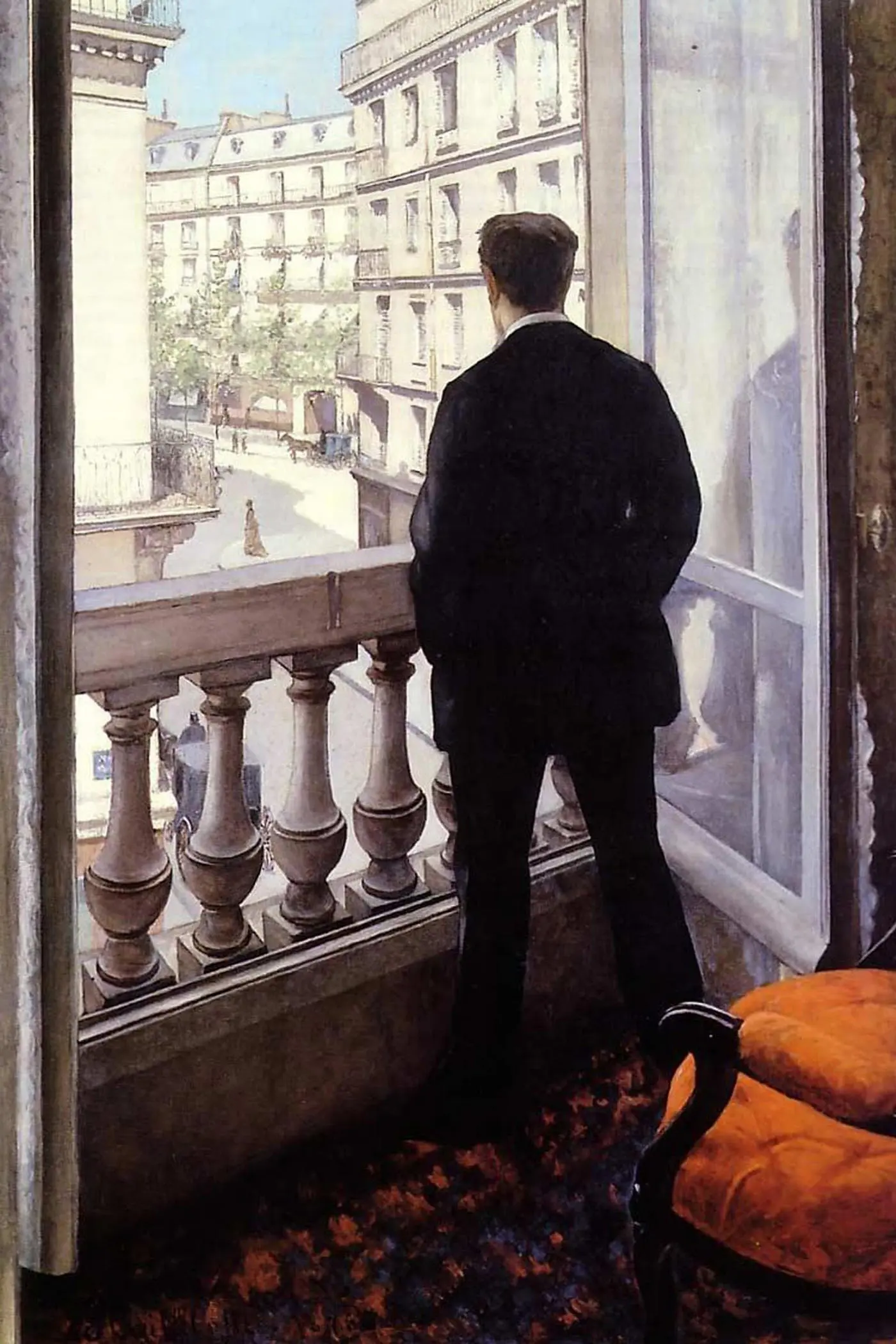
Father Goriot
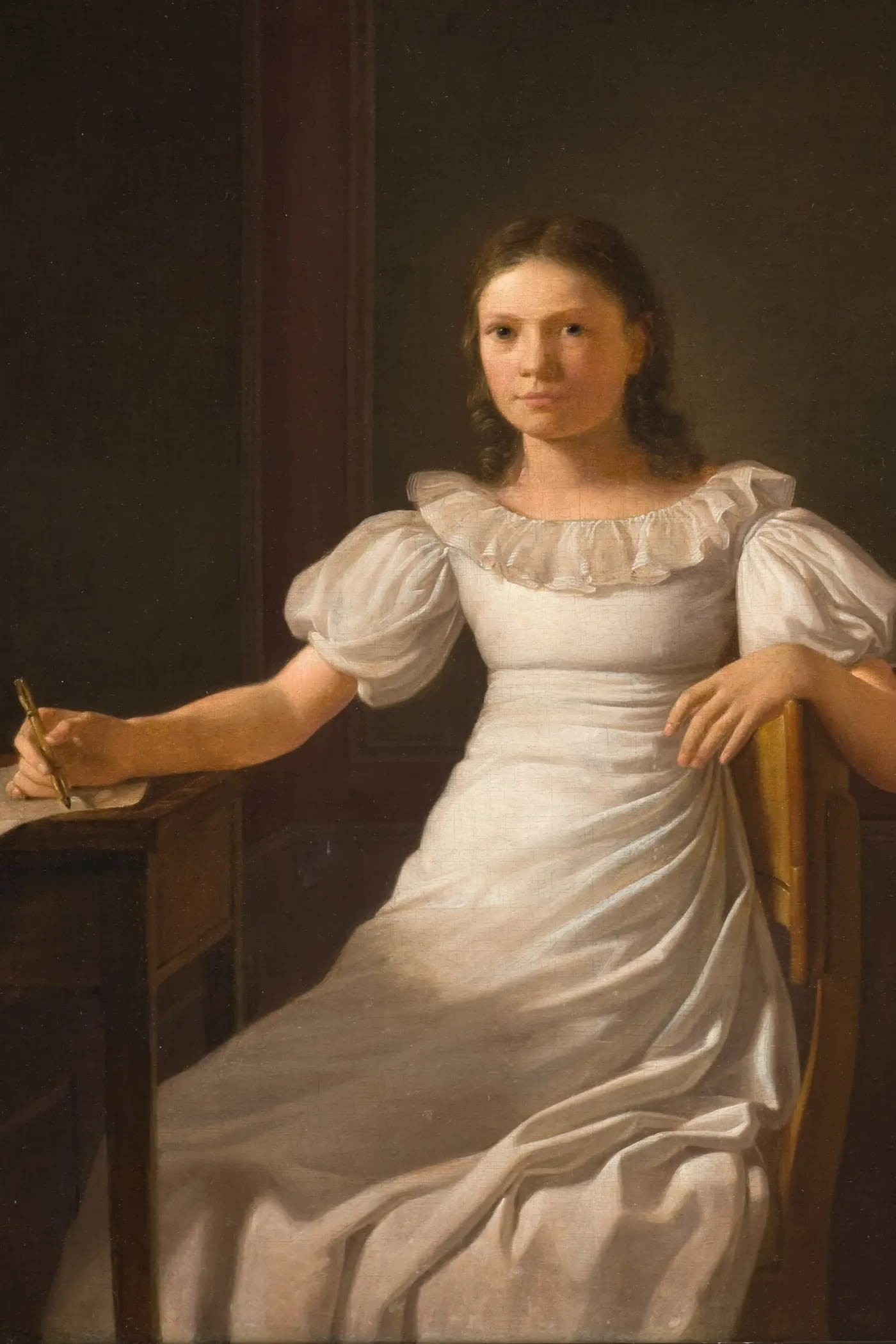
Modeste Mignon
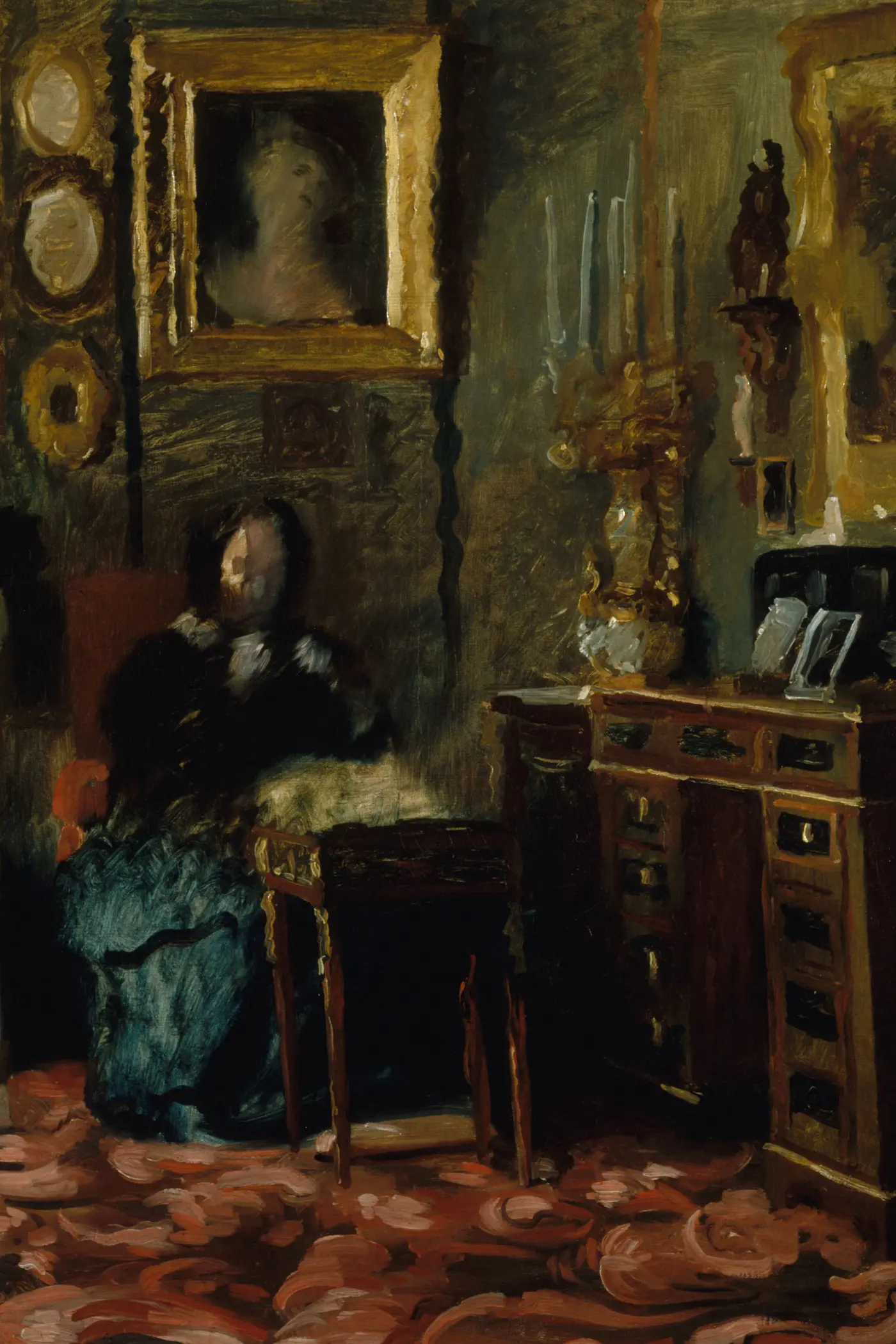
Shorts from Scenes from Private Life
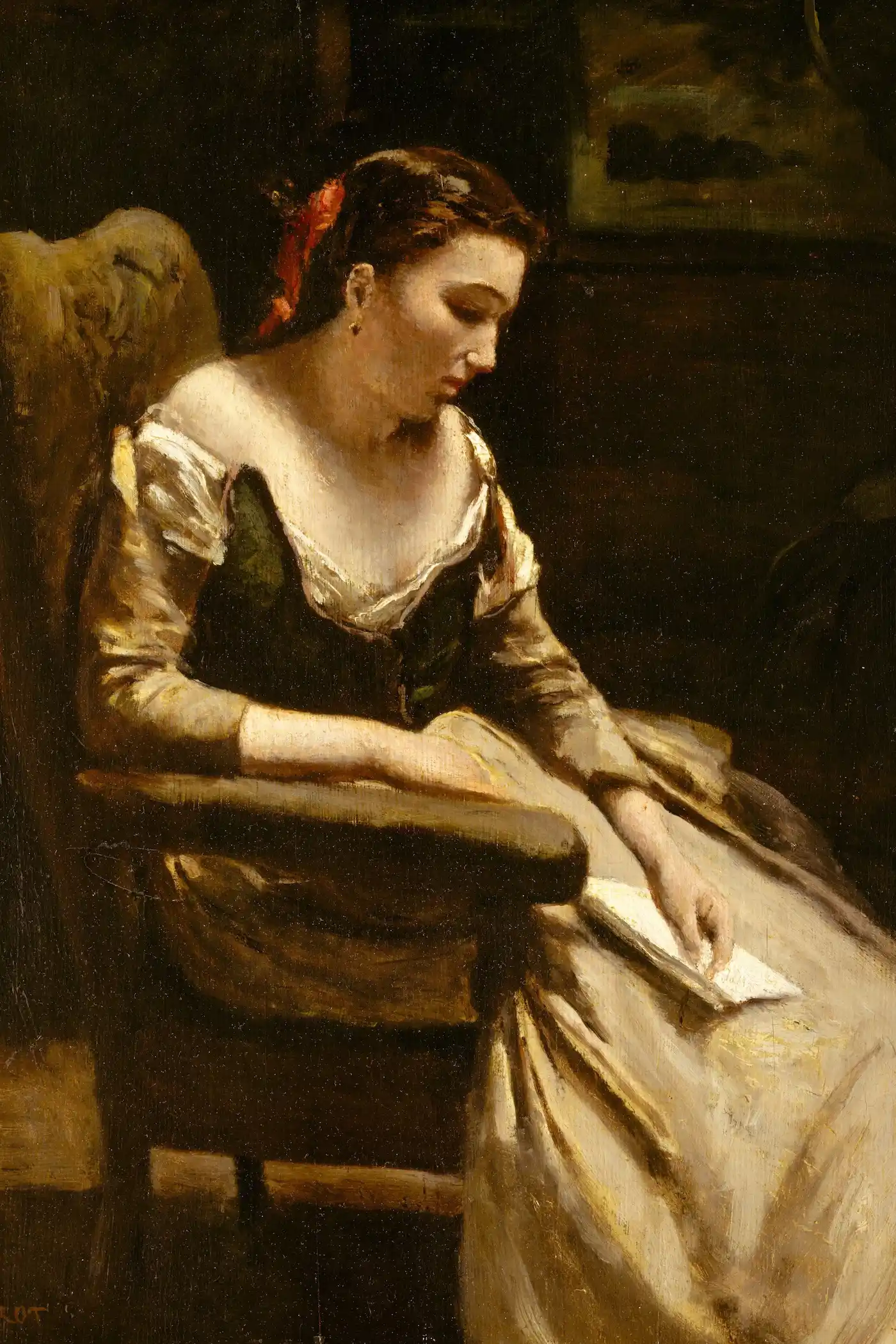
Letters of Two Brides
A Start in Life
Albert Savarus
Eugénie Grandet
Lost Illusions
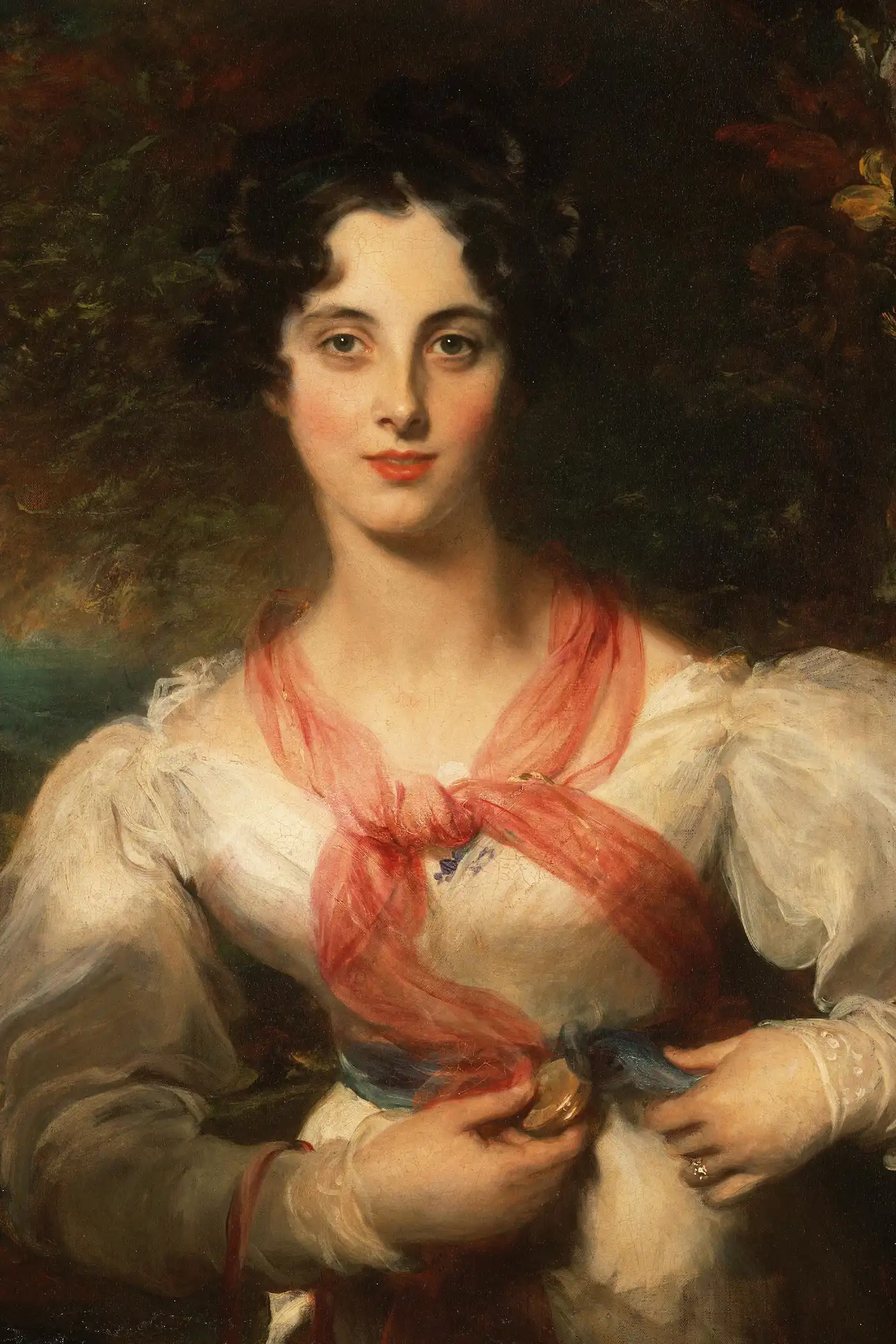
The Lily of the Valley
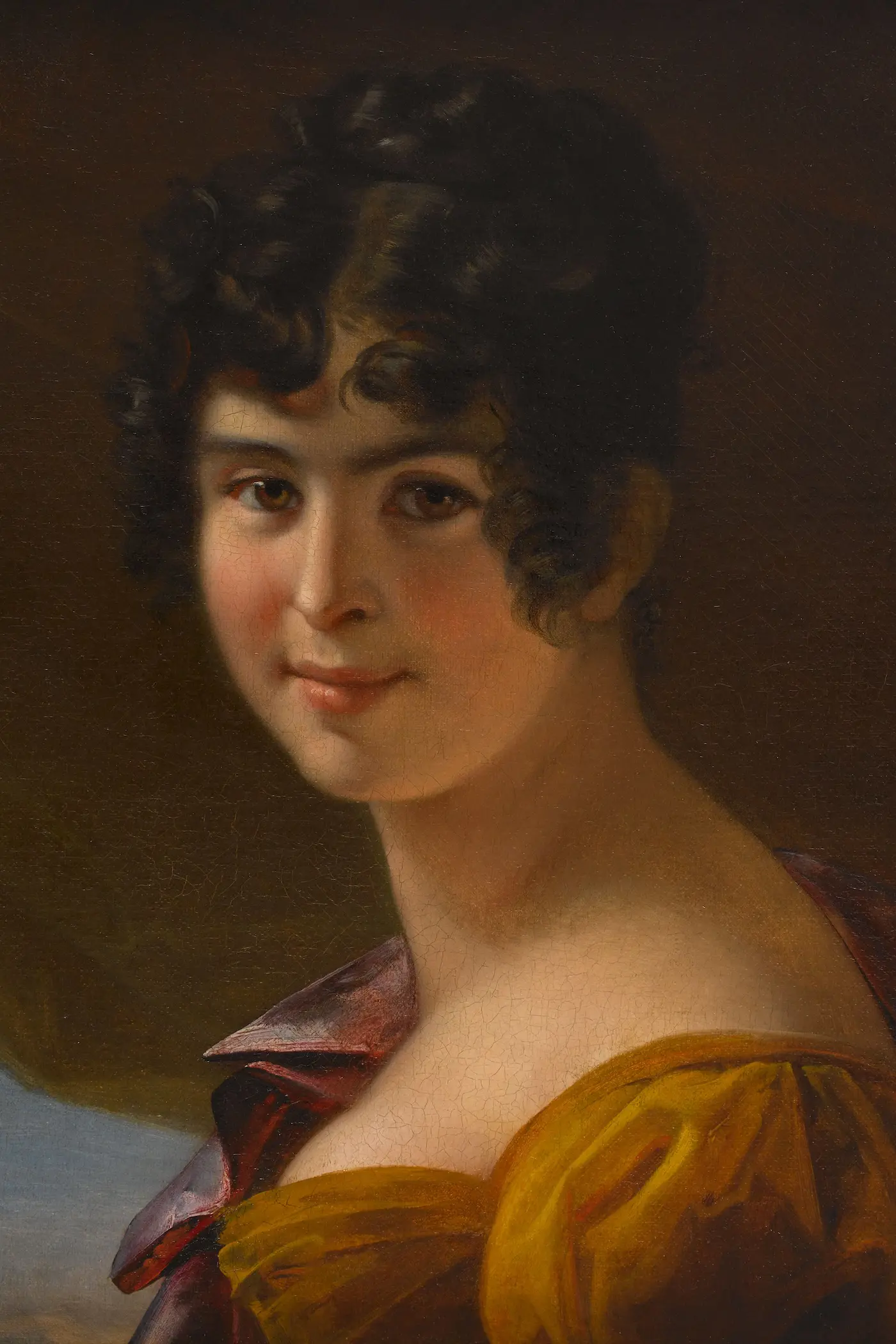
A Woman of Thirty
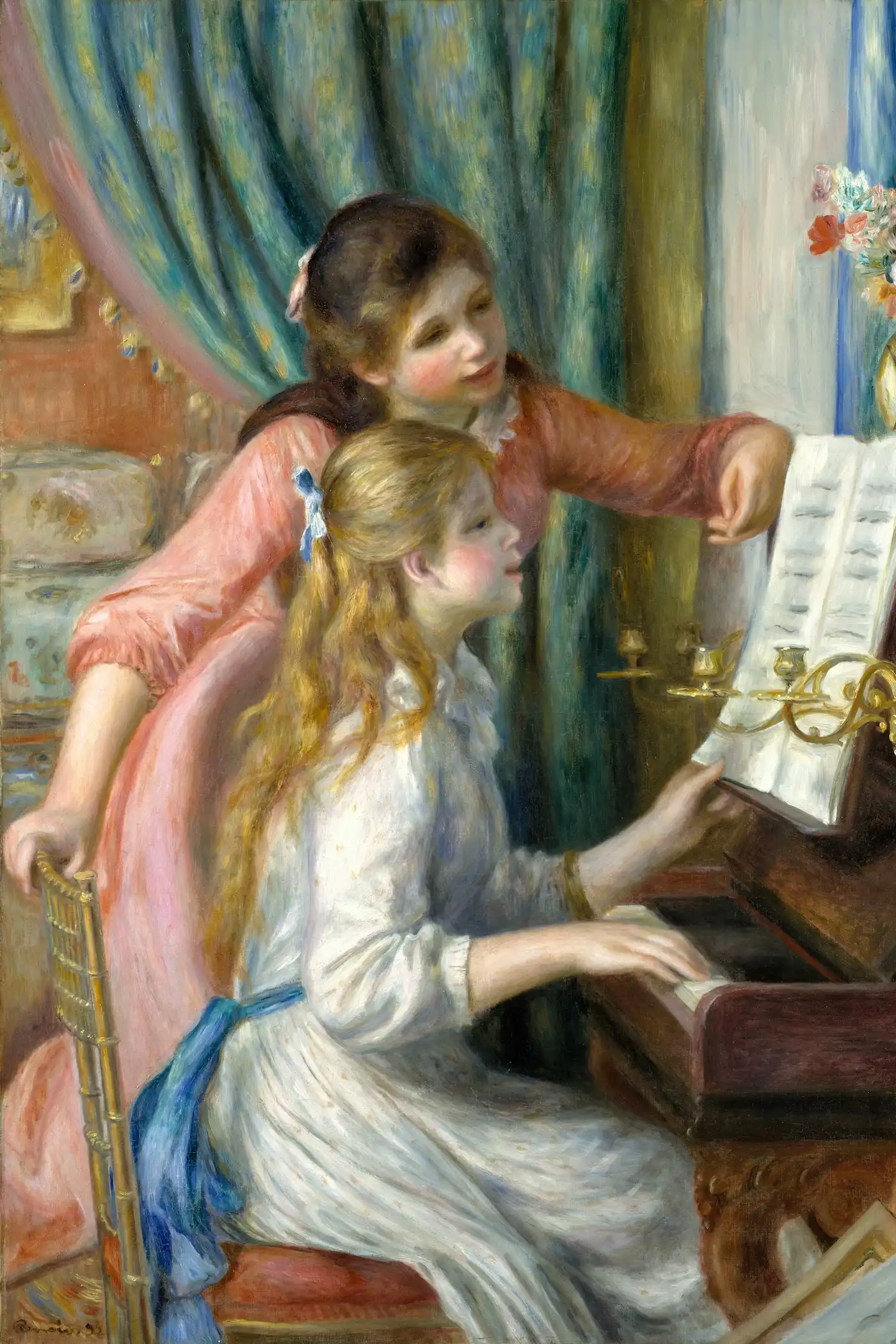
A Daughter of Eve
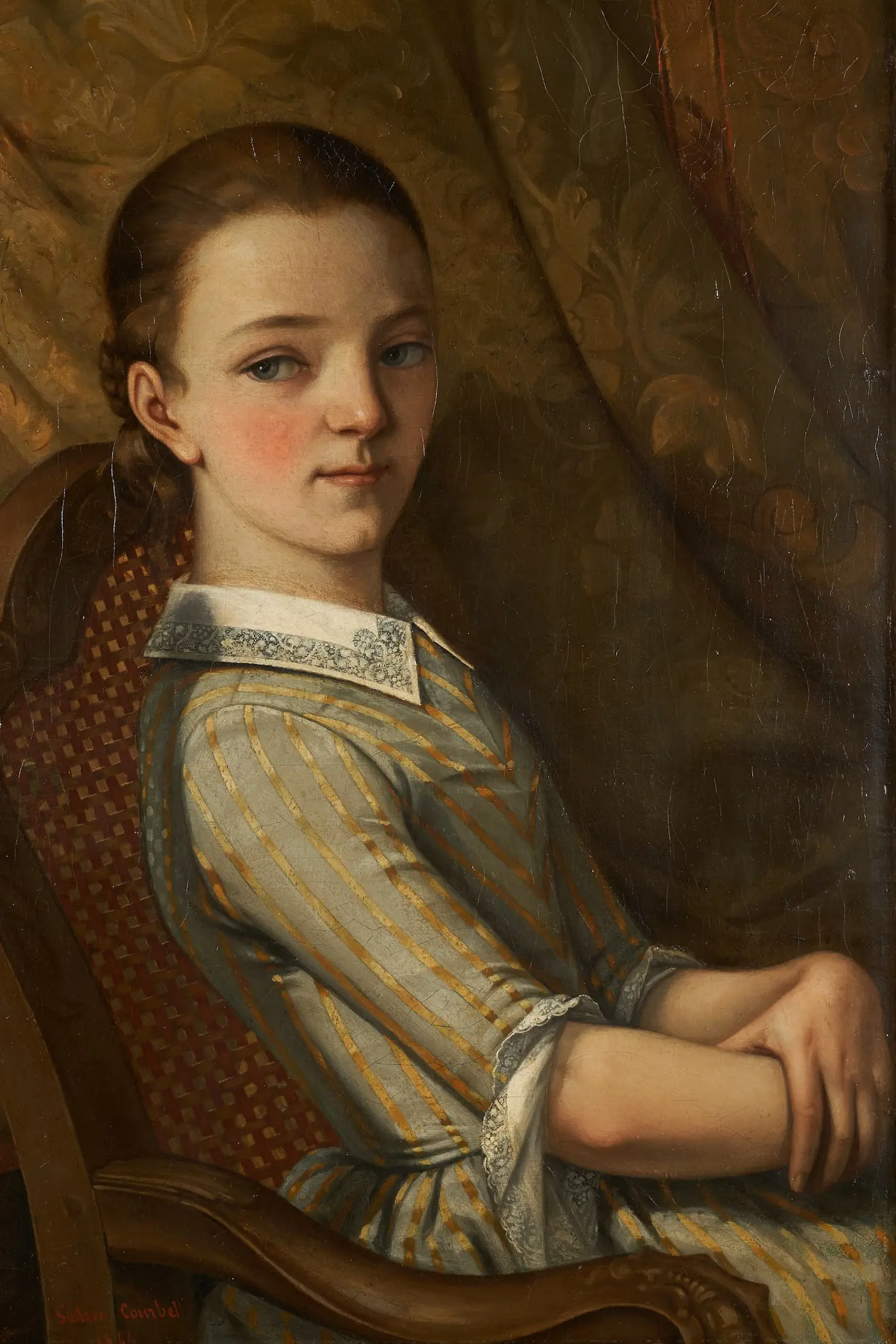
Ursule Mirouët
A Marriage Settlement
The Celibates
The Jealousies of a Country Town
Béatrix
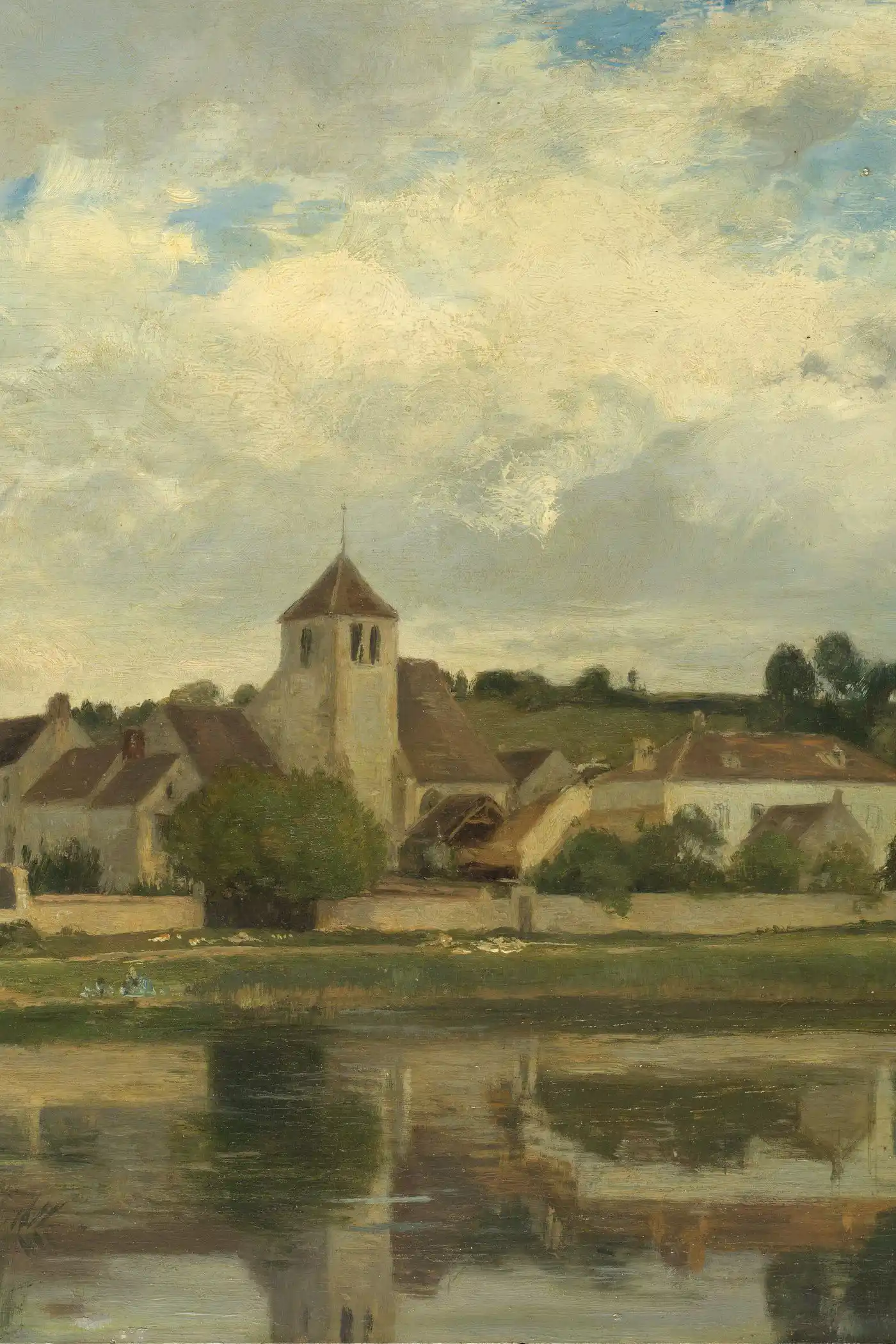
Parisians in the Country
Explore by genre
Other authors you may enjoy
Why Honoré de Balzac is still read today
Honoré de Balzac is essential reading for anyone interested in the origins of literary realism, the social history of nineteenth-century France, or the art of the novel. La Comédie humaine remains one of literature's most ambitious undertakings, offering an unparalleled portrait of an entire society in transformation. His influence extends across national boundaries and literary movements, from Russian psychological realism to French naturalism to the modern social novel. Readers who appreciate Charles Dickens, Fyodor Dostoevsky, or Émile Zola will find in Balzac the common ancestor of their techniques. His works explore timeless themes of ambition, greed, love, and the tension between personal desire and social expectation, making them as relevant today as when they were written. Balzac's novels also serve as invaluable historical documents, capturing the texture of daily life in Restoration and July Monarchy France with remarkable precision.
Frequently Asked Questions
What is La Comédie humaine?
La Comédie humaine is Balzac's interconnected series of over ninety novels and stories that together portray a comprehensive panorama of French society from the Napoleonic era through the 1840s, featuring more than two thousand recurring characters.
Why is Balzac considered the father of literary realism?
Balzac was among the first novelists to depict society with systematic, documentary precision, embedding his characters in meticulously observed economic, material, and social environments rather than relying on romantic idealization.
Which Balzac novel should I read first?
Father Goriot is widely recommended as the best starting point. It introduces key recurring characters like Eugène de Rastignac and Vautrin, and its boarding-house setting provides an accessible entry into Balzac's interconnected world.
How did Balzac influence other writers?
Balzac profoundly influenced Charles Dickens, Fyodor Dostoevsky, Marcel Proust, Henry James, and Émile Zola. His technique of recurring characters, his social realism, and his ambition to portray an entire society shaped the development of the modern novel.
What was Balzac's writing process like?
Balzac was famous for his grueling work habits, often writing for fifteen or more hours at a stretch fueled by enormous quantities of coffee. He revised obsessively, sometimes rewriting entire novels in proof, which drove his publishers to despair.
Essential cookies keep you signed in and save your reading progress. Analytics cookies help us understand how the site is used. You can reject analytics — we still work without them. Learn more in our Privacy Policy.